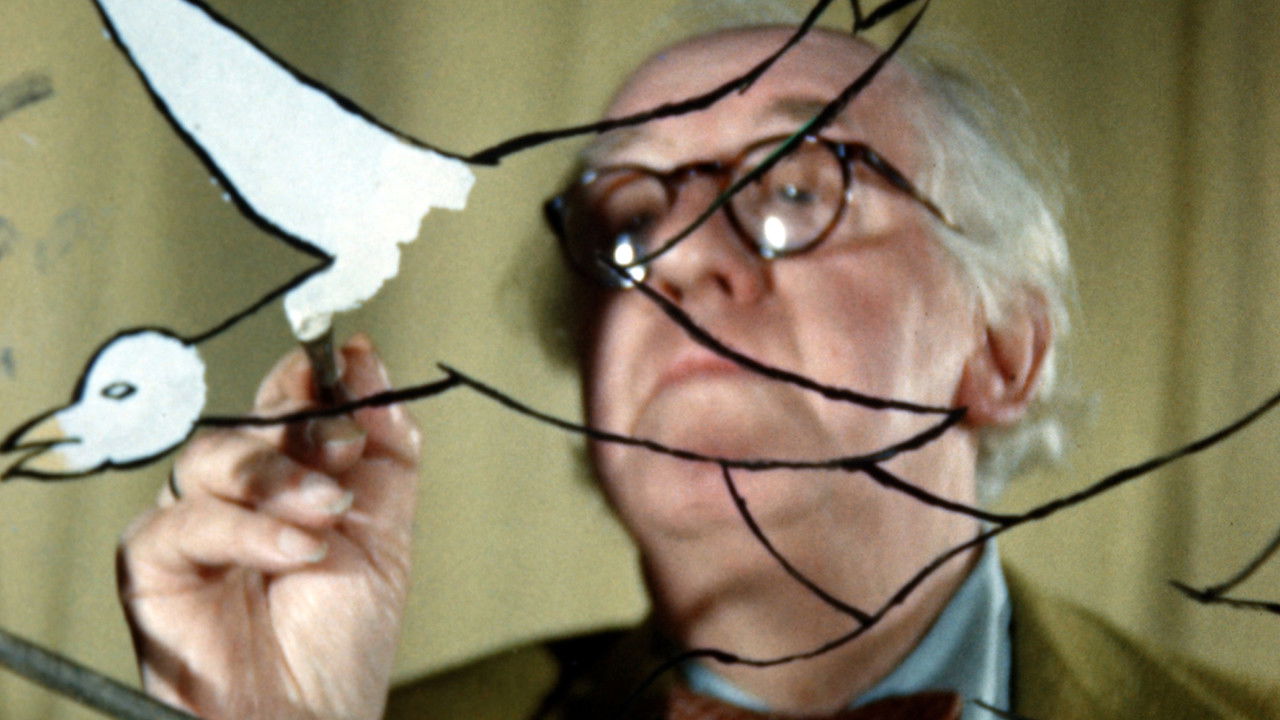
Four Belgian Painters at Work
7.819520h 34mDocumentary
Belgian art historian and filmmaker Paul Haesaerts (1901–1974) made a significant contribution to the promotion of modern Flemish art. In the late 1940s, he started experimenting with the medium of film to practice a new form of lens-based art criticism. The understudied documentary "Quatre peintres belges au travail" (1952) presents Belgian artists Edgar Tytgat, Albert Dasnoy, Jean Brusselmans and Paul Delvaux at work in their studio. On a large sheet of glass placed in front of the camera, they each paint one of the seasons that also represent a stage in a person’s life. A close reading of this Kodachrome color film sheds light on the context of mid-century art reproductions, mass media and post-war Flemish culture. It also examines in what way this film operates as Haesaerts’s concept of cinéma critique, while raising questions as to the way Haesaerts attempted to reconcile the spatial art of painting with the temporal medium of film.
Cast
E
Edgard Tytgat
Self
A
Albert Dasnoy
Self
J
Jean Brusselmans
Self
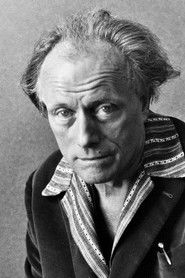
Paul Delvaux
Self
You May Like
Hakob Hovnatanyan
Hakob Hovnatanyan
6.2·1967·Movie
The Thinnest Line
The Thinnest Line
2022·Movie

John Craxton: A Life of Gifts
John Craxton: A Life of Gifts
2023·Movie

From Okinawa with Love
From Okinawa with Love
2024·Movie

Angkor - Ein Urwaldgeheimnis in Kambodscha
Angkor - Ein Urwaldgeheimnis in Kambodscha
1956·Movie
Arthur Penn: The Director
Arthur Penn: The Director
9.0·1970·Movie
Robert Morris: Retrospective
Robert Morris: Retrospective
1994·Movie
Fanalysis
Fanalysis
6.0·2002·Movie
Darts in the Dark: An Introduction to W.O. Mitchell
Darts in the Dark: An Introduction to W.O. Mitchell
10.0·1980·Movie
Fall 2
Fall 2
6.0·1970·Movie
White Earth
White Earth
6.4·2015·Movie

Little Sahara
Little Sahara
2023·Movie