Eijanaika
6.219812h 31mDrama
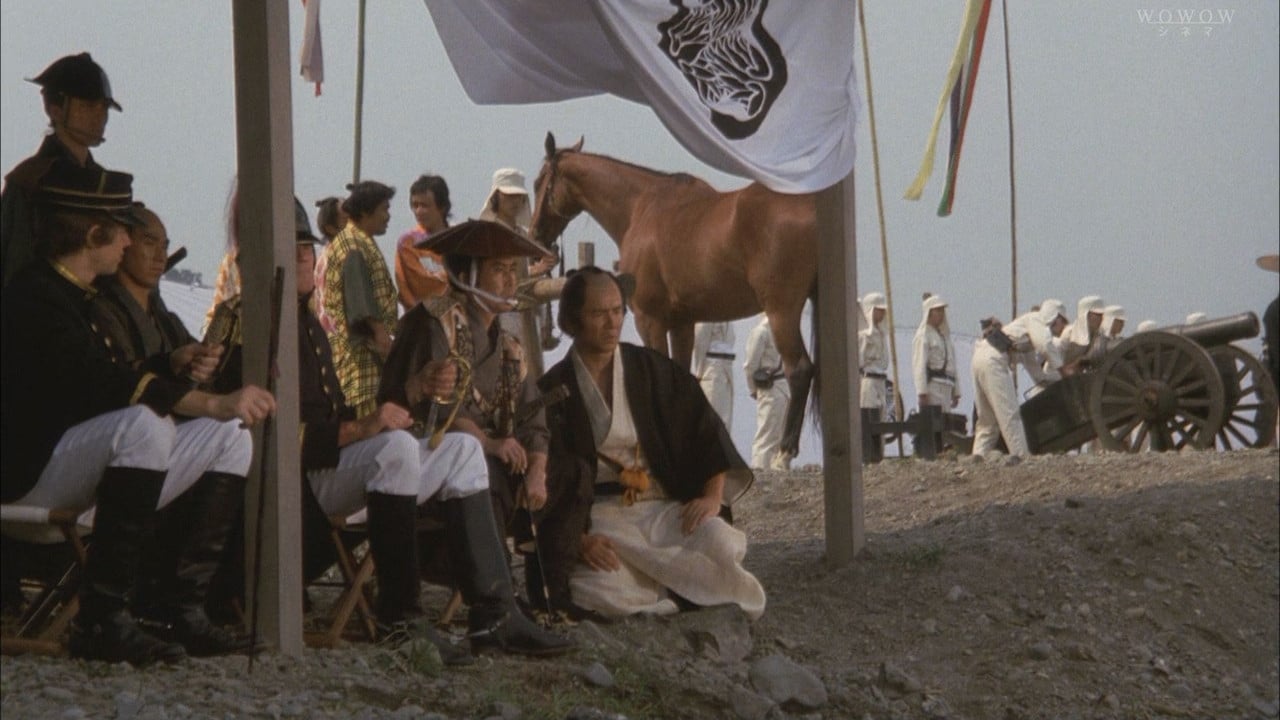
The film depicts carnivalesque atmosphere summed up by the cry "Ei ja nai ka" ("Why not?") in Japan in 1867 and 1868 in the days leading to the Meiji Restoration. It examines the effects of the political and social upheaval of the time, and culminates in a revelrous march on the Tokyo Imperial Palace, which turns into a massacre. Characteristically, Imamura focuses not on the leaders of the country, but on characters in the lower classes and on the fringes of society.
Cast
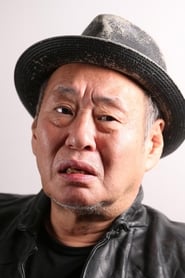
Shigeru Izumiya
Genji
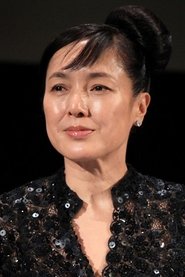
Kaori Momoi
Ine
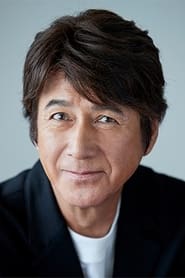
Masao Kusakari
Itoman

Ken Ogata
Furukawa

Norihei Miki
Masuya
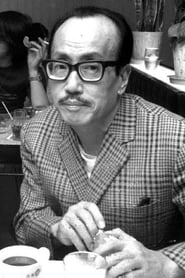
Junzaburō Ban
Toramatsu

Mitsuko Baisho
Oko
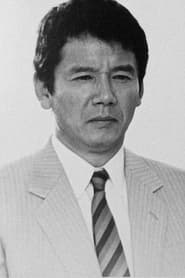
Shigeru Tsuyuguchi
Kinzo
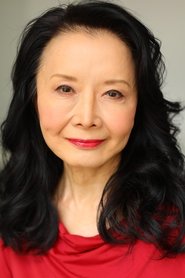
Ако
Oyoshi
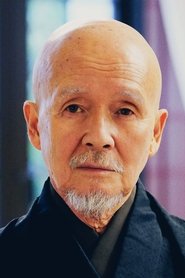
Shōhei Hino
Magoshichi

Shino Ikenami
Yoshino
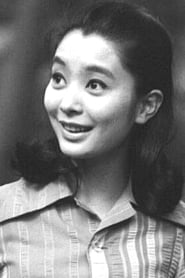
Etsuko Ikuta
Nui
Fans Also Watched
Miss Hokusai
Miss Hokusai
6.7·2015·Movie

Warau Iemon
Warau Iemon
6.3·2004·Movie
Kagemusha
Kagemusha
7.8·1980·Movie
The Twilight Samurai
The Twilight Samurai
7.8·2002·Movie
They Say Nothing Stays the Same
They Say Nothing Stays the Same
6.8·2019·Movie

Snowflowers: Seeds of Hope
Snowflowers: Seeds of Hope
9.5·2025·Movie
Kinbakuka: Biniku no Mori
Kinbakuka: Biniku no Mori
2.0·1985·Movie
Bloody Battle at Dawn
Bloody Battle at Dawn
5.0·1959·Movie
Onihei side story: The Final Chapter - The Fourth Wife
Onihei side story: The Final Chapter - The Fourth Wife
2016·Movie
Lone Wolf and Cub: Baby Cart at the River Styx
Lone Wolf and Cub: Baby Cart at the River Styx
7.3·1972·Movie
Two Portraits of MIYAGINO
Two Portraits of MIYAGINO
7.8·2010·Movie
Where did Sharaku go?
Where did Sharaku go?
8.0·1968·Movie