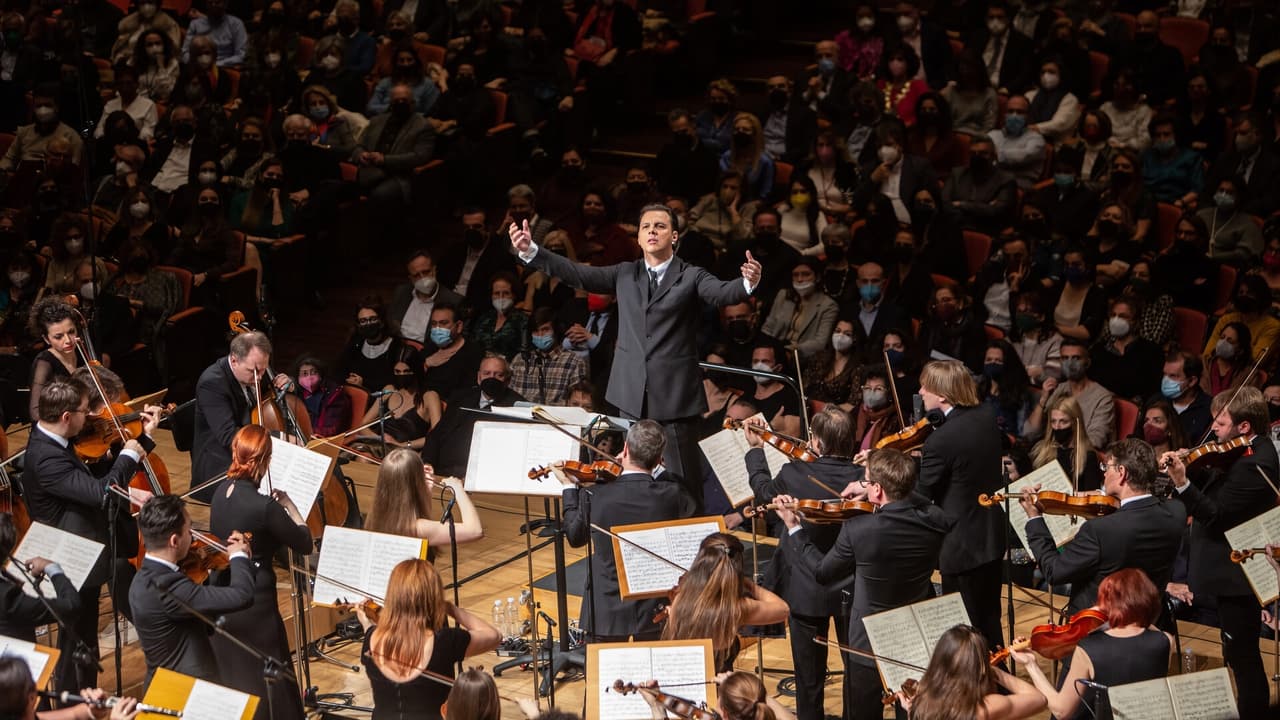
Currentzis conducts Beethoven Symphony No. 9
10.020221h 10mMusic
Ludwig van Beethoven headed for Symphony No. 9 literally his entire life. As early as the 1790s, he had an eye on Ode to Joy, perhaps the most well-known poem by Friedrich Schiller, written on the threshold of the French Revolution (1786). In his mature and, in particular, later years, the deaf composer with an acute ‘hearing vision’ increasingly distanced himself from conventional forms and genres and wrote parts beyond the possibilities of instruments of his day. He nurtured the idea of a symphony with a choir for at least several years. The history of the Ninth’s interpretations includes 200 years of staggering revelations and lingering stagnation. Performed by the musicAeterna orchestra, choir, and guest soloists under the baton of Teodor Currentzis, Beethoven’s opus magnum acquires the original poignancy and energy of a recent discovery.
Cast
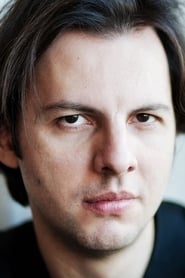
Teodor Currentzis
Self – Conductor
m
musicAeterna
Self – Orchestra / Choir

Birgitte Christensen
Self – Soprano
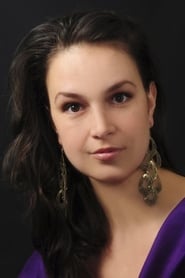
Sophie Harmsen
Self – Mezzo-soprano
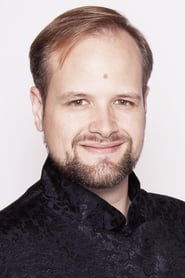
Benjamin Bruns
Self – Tenor

Johannes Kammler
Self – Baritone
You May Like
Die Deutschmeister
Die Deutschmeister
7.2·1955·Movie
Ludwig van Beethoven: Fidelio
Ludwig van Beethoven: Fidelio
8.5·2003·Movie
Cha-Cha-Cha
Cha-Cha-Cha
5.0·1982·Movie
The Planets
The Planets
7.3·1983·Movie
Mit Liv er Musik
Mit Liv er Musik
6.7·1944·Movie

Phantom of the Paradise
Phantom of the Paradise
7.5·1974·Movie

Alphaville - Little America
Alphaville - Little America
1999·Movie
The Crazy Comedy Concert
The Crazy Comedy Concert
1974·Movie

Solti: The Making of a Maestro
Solti: The Making of a Maestro
9.0·1998·Movie

The Music of Kander & Ebb: Razzle Dazzle
The Music of Kander & Ebb: Razzle Dazzle
7.0·1997·Movie

Allegro non troppo
Allegro non troppo
7.1·1976·Movie

Beethovenova 9. symfonie – Koncert pro EU
Beethovenova 9. symfonie – Koncert pro EU
2014·Movie